
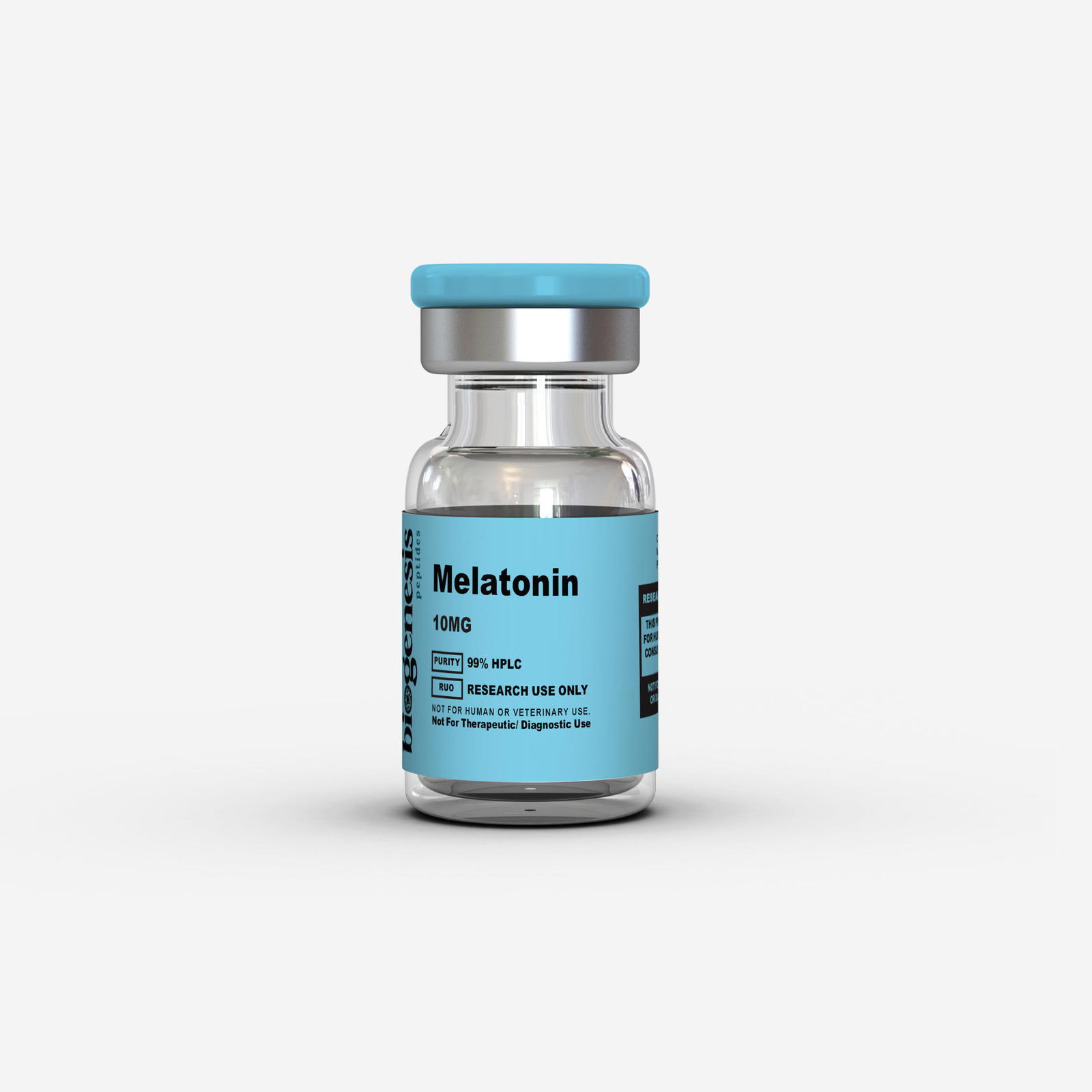
Melatonin is a naturally occurring indoleamine primarily produced by the pineal gland, playing a crucial role in regulating circadian rhythms, sleep-wake cycles, and neuroendocrine functions. It is widely studied for its potential impact on sleep regulation, oxidative stress management, and immune system modulation.
$0.00
Out of stock
on orders over $150
protection
256-bit SSL
We Accept


Melatonin is a naturally occurring indoleamine primarily produced by the pineal gland, playing a crucial role in regulating circadian rhythms, sleep-wake cycles, and neuroendocrine functions. It is widely studied for its potential impact on sleep regulation, oxidative stress management, and immune system modulation. Research suggests that melatonin may:
Melatonin functions by binding to melatonin receptors (MT1 and MT2), which are distributed in the brain and peripheral tissues, helping synchronize biological processes to environmental light-dark cycles.
Melatonin is most well-known for its role in controlling the circadian rhythm and sleep-wake cycles. Research findings indicate:
Melatonin is a powerful antioxidant with the ability to neutralize free radicals and protect cells from oxidative damage. Key research findings include:
Melatonin has been studied for its immunomodulatory properties, with research suggesting:
Melatonin has been implicated in metabolic regulation, with research indicating:
Melatonin has been investigated for its potential role in cognitive health and neuroprotection. Research highlights:
Melatonin is strictly intended for research and laboratory purposes. It is not for human or veterinary use and is not intended for therapeutic or diagnostic applications.
Not for human consumption. This product is sold exclusively for research and educational purposes. It is not intended to diagnose, treat, cure, or prevent any disease.
All clinical trial data and research findings presented on this page are sourced from peer-reviewed journals and official publications. Thev are provided for educational reference only and should not be interpreted as medical advice or product claims.
Bv purchasing this product, you confirm that you are a qualified researcher and Will use it in accordance with all applicable laws and regulations.
Reviews
There are no reviews yet.