Description
OVERVIEW
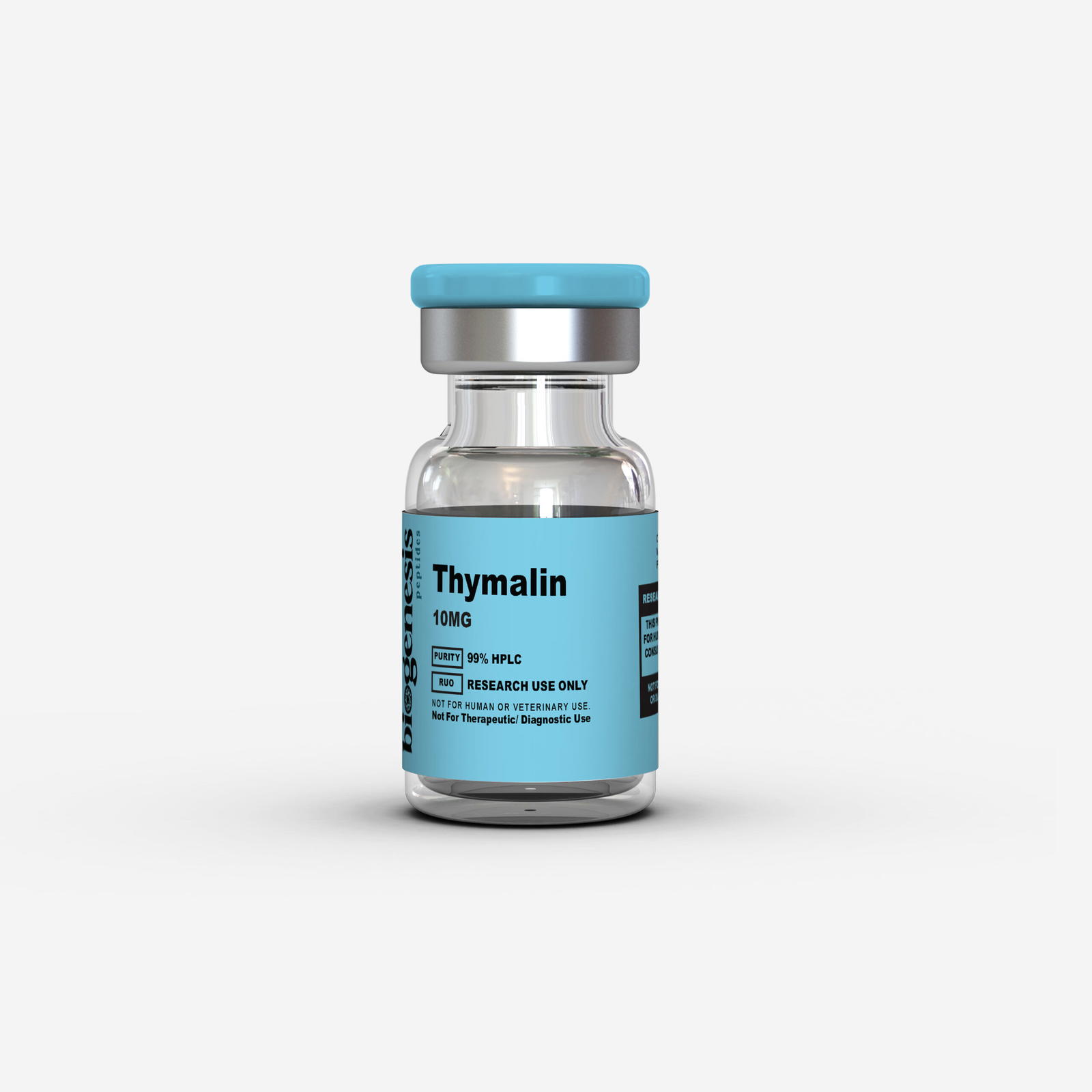
Thymalin is a synthetic version of thymulin, a peptide originally isolated from the thymus gland in 1977. It plays a critical role in immune system regulation, inflammation control, and overall longevity.
Research has identified Thymalin’s potential benefits in:
- Enhancing immune system function
- Reducing inflammation and chronic pain
- Prolonging lifespan and reducing mortality rates
- Supporting cardiovascular and metabolic health
- Promoting nervous system function and neuroprotection
With its wide-ranging effects, Thymalin has been extensively studied for its applications in immunology, anti-aging medicine, and chronic disease management.
RESEARCH
Immune System Modulation
- Thymalin enhances T-cell differentiation and increases natural killer (NK) cell activity.
- Research suggests it may help restore immune balance in immunocompromised patients, including HIV and chronic immune suppression cases.
- In diabetic patients with retinopathy, Thymalin boosted T-lymphocyte proliferation, reducing inflammation and slowing disease progression.
- Potential application: Immunotherapy, chronic inflammation treatment, and immune recovery support.
Anti-Aging & Longevity
- Clinical studies in elderly individuals demonstrated that long-term Thymalin administration normalized cardiovascular, immune, and nervous system functions.
- Research suggests Thymalin reduces acute respiratory diseases, hypertension, osteoporosis, ischemic heart disease, and arthritis.
- Mortality rates were reduced by up to 50% in populations receiving Thymalin therapy.
- Potential application: Longevity research, geriatric medicine, and chronic disease prevention.
Cancer Research
- Studies suggest Thymalin may enhance the immune system’s ability to combat cancer.
- When combined with pulsed laser therapy, Thymalin increased antibody production and immune activity, leading to higher remission rates in tumor-bearing mice.
- Even in sub-therapeutic doses, Thymalin demonstrated tumor-inhibiting properties, slowing cancer progression.
- Potential application: Cancer adjuvant therapy and tumor regression research.
Cardiovascular Health
- Thymalin reduces lipid levels and T-cell dysfunction, potentially preventing and reversing atherosclerosis.
- Animal studies suggest Thymalin reduces immune dysfunction that contributes to arterial plaque formation, lowering cardiovascular disease risk.
- Potential application: Atherosclerosis prevention, cardiovascular disease management, and lipid metabolism regulation.
Postoperative Recovery & Infection Prevention
- Russian clinical trials found Thymalin highly effective in preventing post-surgical infections and inflammatory complications.
- Mortality rates significantly decreased in high-risk patients receiving Thymalin therapy.
- Potential application: Postoperative recovery, infection control, and surgical immune support.
Neuroprotection & Circadian Rhythms
- Research links Thymalin to circadian rhythm regulation and seasonal immune function changes.
- May help prevent age-related immune decline and lower infection susceptibility in elderly individuals.
- Potential application: Neurological disease prevention, circadian rhythm stabilization, and immune aging management.
Chronic Disease Applications
- Tuberculosis: Clinical trials found that patients receiving Thymalin alongside standard antibiotic therapy had higher cure rates than those on antibiotics alone.
- Kidney Disease: Research suggests Thymalin reduces inflammation and improves kidney function in patients with chronic glomerulonephritis.
- Psoriasis: Studies indicate that Thymalin reduces inflammation and improves skin healing in psoriasis patients.
- Potential application: Adjunct therapy for infectious diseases, kidney health, and autoimmune disorders.
STRUCTURE
- Amino Acid Sequence: Pyr-Ala-Lys-Ser-Gln-Gly-Gly-Ser-Asn
- Molecular Formula: C₃₃H₅₄N�₂O�₅
- Molecular Weight: 858.864 g/mol
- CAS Registry Number: 63958-90-7
- Synonyms: Thymulin, Thymic Factor, Serum Thymic Factor
CITATIONS
- V. K. Khavinson & V. G. Morozov Peptides of the pineal gland and thymus prolong human life. Neuro Endocrinol. Lett. (2003).
- J. Bach et al. Biochemical characterization of a serum thymic factor. Nature (1977).
- A. M. Reznichenko et al. Changes in immune cell indexes under the influence of Thymalin in patients with hyperplastic thyroid disease. Klin. Khir. (2001).
- T. P. Young. Immune mechanisms in HIV infection. J. Assoc. Nurses AIDS Care (2003).
- A. P. Kozlov & K. G. Moskalik. Pulsed laser radiation therapy of skin tumors. Cancer (1980).
- N. N. Tretiak et al. Efficacy of Thymalin and plasmapheresis in treating chronic lymphocytic leukemia patients.Lik. Sprava (1998).
- M. A. KarachunskiÄ et al. Cellular immunity changes in pulmonary tuberculosis patients with diabetes mellitus.Probl. Tuberk. (1997).
- G. V. Budazhabon et al. Thymalin’s effect on immune responses in chronic glomerulonephritis. Ter. Arkh. (1984).
- V. E. Ryzhenkov et al. Thymalin’s role in preventing experimental hyperlipidemia and atherosclerosis. Vopr. Med. Khim. (1988).
- S. Wade et al. Thymulin (Zn-facteur thymique serique) activity in anorexia nervosa patients. Am. J. Clin. Nutr. (1985).



Reviews
There are no reviews yet.